The Paradox of Power
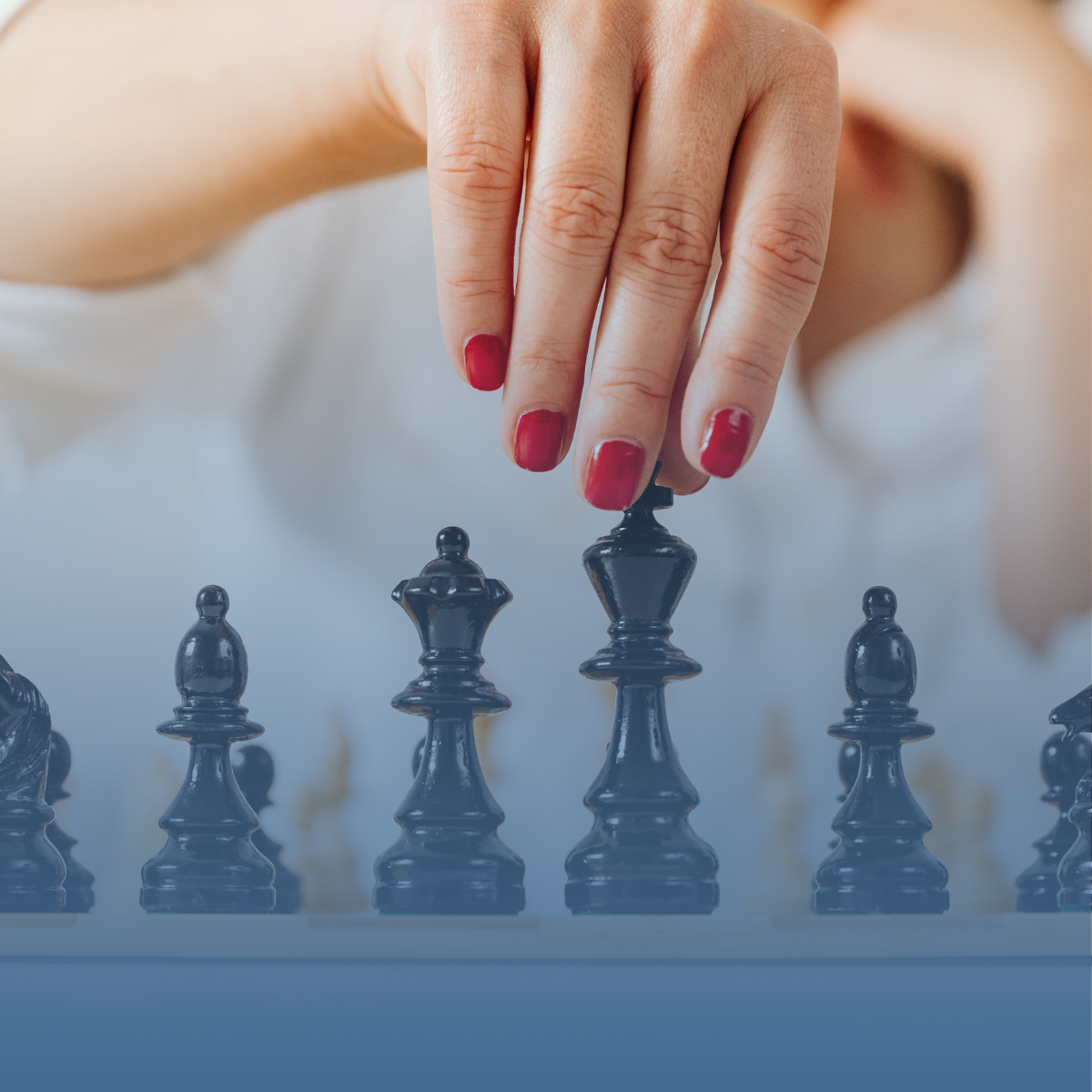
"For too long, women have been sold an image of power that looks like effortless perfection—the ability to juggle career, family, and crisis without ever asking for help. But this 'performance of strength' is a trap that leads to burnout, not fulfilment. This article dismantles the myth of the Superwoman and explores why true confidence comes from vulnerability, not invulnerability. Discover why the most powerful thing you can do is drop the facade, set honest boundaries, and embrace the strength found in being real"
2/11/2026 . 5 Min Read
What Nobody Tells You About Being a Woman
We have been sold a very specific image of what power looks like. It’s like having everything figured out. Looks like never struggling. It looks like managing everything with ease and grace. Powerful women are assumed to be those who can juggle a career and motherhood and a marriage and her own ambitions without even breaking a sweat, asking for help and ever admitting that it’s hard.
The Illusion of Appearing Strong
We have come across this image of power almost everywhere. We have seen this in our mothers, our bosses, in celebrity culture, and in women we admire growing up. And we have internalized the fact that to be powerful is to appear unaffected by any kind of difficulty.
We have all learned early that our value is tied to our output. Being "the responsible one" is a character trait that one should be proud of. That saying no is selfish. That if you don't do it perfectly, you are somehow less. The bar is always going to move, so you might as well run fast.
And we eventually learn to perform power. We learn to show up composed. We learn to handle crises without flinching. We smile through burnout. We learn to say, “I’m okay” when we are not. We learn to make things look easy, even when they are quietly destroying us.
And you know what? This kind of performance does work. It gets us promoted. It earns respect. It makes people think you have it together. In the short term, appearing strong is a useful strategy.
But in the long term, it is a trap.
Why? How? Because the power you get from being strong is fragile. It relies entirely on building and then maintaining the performance. It demands constant energy. It will collapse the moment someone sees behind the curtain. And the cost? It will cost you everything that matters most to you. It costs your authenticity. It will cost your relationships, peace and even your self-trust.
Real Power is Confidence
What Real Power Actually Feels Like
Real power looks like nothing explained above. It feels very different. I know because I have experienced both. The difference between the two is night and day.
When I was practising power, trying to be strong all the time, sorting all the time and resilient all the time, I was in the process of constantly managing. I was always worried. I was always monitoring how I appear to others. I was exhausted most of the time. It was anxiety dressed up like competence. It was not power.
But when I finally started being honest to myself and not just perform strongly, when I admitted to my husband that I am overwhelmed, when I told my boss I need to rethink my work, when I stopped pretending everything is fine, is when I noticed a shift. The energy I had been using all along to maintain the performance suddenly got freed up. And I had access to things I never had before. My confidence.
It was not the confidence that I could do everything. It was the confidence in accepting what I can and cannot. It was confidence showing that my worth is not dependent on perfection. It was confidence that I could ask for help without losing my respect. It was the confidence to admit that struggle and still be powerful.
This is what real power is. And it comes from the opposite direction of where we have been taught to look. Real power is the capacity to be yourself, regardless of how others perceive you. Real power is being aware of your limits and defending them. It shows when you say no without explaining. It shows in admitting what you don’t know. It shows in asking for help, in being vulnerable.
Of course, it might sound backwards. Because all along we have been told that vulnerability is the opposite of power. But it’s true only when you believe that power comes from appearing invulnerable. If you understand that the source of power is grounded in truth, then your vulnerable state becomes the foundation of everything.
The Woman Who Accepts Vs The Woman Who Performs
Let me put two pictures of a woman in front of you. One who holds power. Always has a response ready. Never admit uncertainty. Able to manage her image carefully. Handles everything perfectly. All smiles. Asks for help rarely. Often maintains distance from others and feels pressure constantly.
On the other hand, there is this woman who owns her power. Admits what she does not know. Honest about her capacity. Does not manage her image but manages life. Asks for help without shame. Honest about what she feels. Build teams and partnerships. Allow herself to be seen. Grounded. Able to relax because she is not surviving on a façade. Respected. Known.
Both women might have the same title. Both might be able to achieve similar things. But you will always find one exhausted and terrified of being found out. The other is trustworthy.
Which one would you rather be? Which one will you follow?
The Ways Honesty Makes You Stronger
It’s time to get concrete now, because this is not just a philosophy anymore. I want you to understand exactly how being true to yourself about your vulnerability actually makes you powerful in the practical and real world.
You make better choices.
When you are true to yourself about your capability, you tend to say no to things that do not serve you. You don’t overcommit. You don’t take projects that might break you. Rather, you choose strategically instead of reactively.
You establish real relationships.
When you allow people to see the actual you, they can support you. When you perform, they support your performance. The best I could explain is by actually living this. My husband could not help me until I told him I needed him. My office could not adjust my working hours until I admitted I could not do everything. My friends could not show up for me until I allowed them. Your honesty and acceptance create conditions for real connections.
You don’t waste energy on gaps.
Do you remember the gap we talked about? The space between what you show and what you are? This gap is a vampire. When you decide to close, this is when you become one person instead of two. You free up an enormous amount of energy. And now you can use this energy in building things that truly matter.
There is one more truth. Honesty might have consequences. You will come across people who might judge you for admitting your limits. There are workplaces that still equate vulnerabilities with weakness. But here is what I have learned. The consequences of being dishonest to myself are usually worse than the consequences of being honest.
If I don’t tell my boss that I am overworked, I’ll either break down or burn out. Both of these outcomes are worse for my career than saying, “I need to adjust my workload”. If I don’t tell my husband I’m struggling, resentment will build, and our relationship will be at stake.
Being honest will always have short-term costs. But the long-term cost will affect my entire life.
And here’s the most important thing. Out of all the people who judge you for your honesty are the ones who are waiting for permission to be honest with themselves. When you say you are struggling, you give other people permission to do the same. When you ask for help, you create an environment where asking for help is easy and possible. When you accept the fact that you don’t know something, you make it safe for others to accept the same.
You think you're the only one pretending. You're not. Almost every woman you know is also performing. Almost every woman you know is also struggling in silence. Your honesty doesn't make you weak in their eyes; it makes you brave.
2/11/2026 . Arzoo Choudhary